Pages

Subscribe:
Showing posts with label health care. Show all posts

Smoking Could Affect You Physically & Socially Too!

smoking-effects-brain-damage
What damage could smoking pose to your health?
1. Heart diseases: Smoking has the negative capability to pose great risk to your entire cardiovascular system. Cerebrovascular disease is one of the major losses done where arteries supplying blood to the brain are damaged. Formation of blood clots is another overwhelming health problem caused to smokers. There could also be an accumulation of bad cholesterol and lowering of good cholesterol followed by high blood pressure leading to the unwanted stretching of arteries. Nicotine and carbon monoxide adds undesirable pressure on the heart increasing the risk of coronary heart disease while other harmful chemicals could cause injury to coronary arteries.

 smoking-effects-heart-diseases 
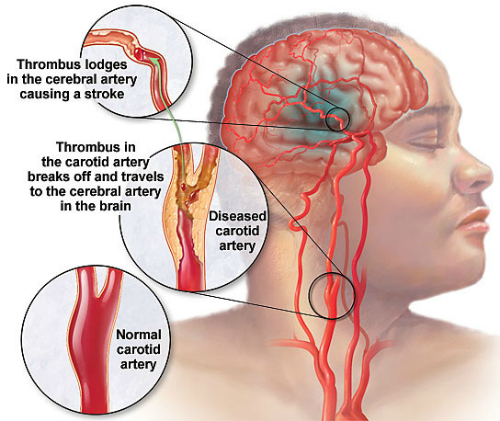
2. Brain damage: Nicotine not only makes your brain to undesirably change how it functions, but also increases the risk of cerebral thrombosis which is the obstruction of blood supply to the brain resulting into stroke due to blockages in carotid artery. Nicotine from cigarettes could make you engrossed into strong cravings to smoke more and feel irritated and anxious. Apart from strong yearning, nicotine could take control and transform the brain’s receptor cells specialized for regulating the memory and well-being of the individual. Besides, you may be exposed to oxidative stress and your blood may clot often.

smoking-effects-brain-damage


 3. Respiratory system damage: Smokers are on the danger line of developing chronic obstructive pulmonary diseases (COPDs) due to severe damage to the lungs. COPD includes chronic bronchitis which is the inflammation of the lining of the lung’s tubes. Another condition where damage is caused to the air sacs is also listed under COPDs. It is called emphysema. The lungs could lose the ability to filter harmful substances such as toxins and may result into lung cancer. Children too could be risked due to smoking according to the studies. A smoker’s child is more prone to bronchitis and pneumonia than


smoking-effects-respiratory-system-damage 


 4. Reproductive disability: Smoking followed by chewing too much of mint could pose the risk of low libido, low orgasm, and erectile problems in men. This could very well result into infertility. Newborns and unborn fetuses have a greater risk of birth defects, low birth weight, SIDS, and other complications. Therefore, it is needed of the pregnant mothers and new mothers to abstain from smoking and secondhand smoking. They could suffer from premature delivery, placenta issues, miscarriage, etc. A woman who smokes could also increase the risk of cervical cancer.
a non-smoker’s.

smoking-effects-reproductive-disability 


5. Integumentary system damage: Premature aging, skin discoloration, facial wrinkling, cellulite, hollow cheeks, yellow staining on fingers, brown stains on teeth, smelly hair, etc., are some of the commonly known problems caused to the integumentary system of constant smokers. The smoky smell from smokers could also cling to other people close to them. Oropharyngeal cancers of the gullet, lips, voice box, tongue, or throat are frequently observed in smokers. The frequency rate is 93% compared to non-smokers. Macular degeneration and cataracts are other major risks which threaten the person’s eyesight causing night vision and blindness

smoking-effects-integumentary-system-damage


What could smoking do to you socially?
1. Early aging: How embarrassing would it be to have a wrinkled face and stained skin among your youthful friends of same age? Then why to smoke? The aging process in your body gets accelerated due to unlikely biochemical changes due to smoking according to the research of American Academy of Dermatology. You could have ugly wrinkles around your mouth region due the fatiguing muscle actions required while smoking. Besides leathery skin, smokers could also suffer from tar staining of the hands and skin. Smoking constricts the blood vessels causing deprivation of living skin tissues of oxygen.

smoking-effects-early-aging 
 2. Marriage problems: Would you marry a smoker (whether female or male) yourself? Anybody looking for a life partner would want to marry a healthy and non-smoking individual after the worldwide popularity of dangerous diseases caused due to smoking. Marrying a smoker also puts your own life at risk as smokers could affect their partners too. Even the dating adverts and marriage portals suggest “No smokers, please!” And, if you’re way too older, smoking will only add to your problems in finding a mate. “After I crossed 40, the dating scene became harder because my peers were looking at people much younger, so if you add smoking into that, it’s even harder,” said a former smoker.


smoking-effects-marriage-problems 
3. Socially aloof: Smokers have traditionally been detached from the society for various reasons including ethical. They have not only invited threat to their physical, but also behavioral or mental health. The feeling of embarrassment and dejection from their peers has demoralized them to such an extent that they have lost their self-confidence, hindering them to present themselves freely before the public. “I usually hid somewhere and smoked so no one would see me. The experience of smoking embarrassed me and I felt weakened by it, both physically and emotionally,” expressed a smoker.


smoking-effects-socially-aloof 

Secondhand smoke death: You as a smoker is a great threat to those who are in the range of your harmful cigarette/tobacco smoke. With 40 carcinogens and more than 4,500 other destructive chemicals in your one puff of smoke, you could add to the huge death toll of 50,000 people caused due to secondhand smoke. Another interesting statistic reveals that when smokers of a community give up smoking, the percentage of heart attacks shrinks to 20-30%. Platelets, which are the fighters of your body, tend to become gluey or sticky because of which the person may suffer a blood clot resulting into heart attacks.


smoking-effects-secondhand-death 

No activities: Don’t get surprised if you were a rock climber or loved trekking and overtime, you realize that you struggle doing the same activities. That’s what smoking could do to you. Your friends may hate you for being a lazy brat and acting like an 80 year old. Your heart and lungs start giving up on you, making it difficult to get involved into any physical activities. You would miss the glorious childhood of your children and those youthful romantic days with your wife.


smoking-effects-no-activities 


You decide whether you’re going to let your life get disappeared as a smoke or make it count every minute.
 

కొంచెం తేనె. . కొంచెం చెక్క


తేనె, దాల్చిన చెక్క పొడిని రోజూ తీసుకుంటే చాలా వరకు వ్యాధులు నయమవుతాయంటున్నారు పరిశోధకులు. జబ్బులను నయం చేయడమే కాకుండా వ్యాధులు దరిచేరకుండా చూడటంలోనూ ఈ మిశ్రమం అద్భుతంగా ఉపయోగపడుతుంది. అయితే ఎలా తీసుకుంటే ఫలితం ఉంటుంది? ఏయే జబ్బులకు ఔషధంగా పనిచేస్తుంది? తెలుసుకోవాలంటే చదవండి.
గుండె జబ్బులు : దాల్చిన చెక్కను పొడిగా చేసుకుని తరువాత తేనె కలిపి పేస్ట్‌ మాదిరిగా చేసుకుని తీసుకోవాలి. రెగ్యులర్‌గా బ్రేక్‌ఫా్‌స్టలో జెల్లీ, జామ్‌ బదులుగా తీసుకోవచ్చు. ఇలా తీసుకుంటే కొలెసా్ట్రల్‌ తగ్గి గుండె జబ్బులు వచ్చే అవకాశం తగ్గిపోతుంది. ఒకవేళ మీకు ఇప్పటికే హార్ట్‌ఎటాక్‌ ఒకసారి వచ్చి ఉంటే మరోసారి రాకుండా కాపాడుతుంది. దాల్చిన చెక్క, తేనెను తీసుకోవడం వల్ల హార్ట్‌బీట్‌ కూడా మెరుగవుతుంది.
ఆర్థరైటిస్‌ : రెండు టేబుల్‌స్పూన్ల తేనె, ఒక చిన్న టీ స్పూన్‌ దాల్చిన చెక్కపొడిని కప్పు వేడి నీళ్లతో కలిపి తీసుకుంటే ఆర్థరైటిస్‌ సమస్య నుంచి ఉపశమనం లభిస్తుంది. రోజూ తీసుకుంటే క్రానిక్‌ ఆర్థరైటిస్‌ సమస్య కూడా నయమవుతుంది. పరిశోధనల్లోనూ ఈ విషయం రుజువయింది. 200 మంది ఆర్థరైటిస్‌ రోగులకు తేనె, దాల్చిన చెక్క పొడిని బ్రేక్‌ఫాస్ట్‌ కన్నా ముందు అందజేసి పరీక్షించారు. అందులో 73 మందికి నొప్పి నుంచి పూర్తిగా ఉపశమనం లభించింది.
మూత్రాశయ ఇన్‌ఫెక్షన్లు : రెండు టేబుల్‌స్పూన్ల దాల్చినచెక్కపొడి, ఒక టీస్పూన్‌ తేనెను గ్లాసు గోరువెచ్చని నీటిలో కలుపుకుని తాగితే మూత్రాశయ ఇన్‌ఫెక్షన్లు దూరమవుతాయి.
కొలెసా్ట్రల్‌ : రెండు టేబుల్‌స్పూన్ల తేనె, మూడు టీస్పూన్ల దాల్చిన చెక్కపొడిని 16 ఔన్సుల టీ వాటర్‌తో కలిపి కొలెసా్ట్రల్‌ పేషెంట్స్‌ తీసుకోవాలి. ఇలా చేస్తే రెండు గంటల్లోగా 10 శాతం కొలెసా్ట్రల్‌ తగ్గిపోతుంది.
జలుబు : సాధారణ జలుబు లేక తీవ్రమైన జలుబుతో బాధపడుతున్నా ఒక టేబుల్‌స్పూన్‌ తేనె, పావు చెంచా దాల్చినచెక్క పొడిని రోజుకొకసారి మూడు రోజుల పాటు తీసుకోవాలి. ఇలా చేస్తే జలుబు, దగ్గు, సైనస్‌ సమస్యలు దూరమవుతాయి.
కడుపునొప్పి : దాల్చిన చెక్కను తేనె కలిపి తీసుకుంటే కడుపు నొప్పి తగ్గిపోతుంది. అల్సర్‌ సమస్య కూడా నయమవుతుంది.
ఇన్‌ఫ్లూయెంజా : తేనెలో ఉన్న సహజసిద్ధగుణాలు ఇన్‌ఫ్లూయెంజా జెర్మ్స్‌ని చంపేసి ఫ్లూ నుంచి కాపాడతాయి.
గొంతు నొప్పి : గొంతులో కిచ్‌ కిచ్‌గా ఉంటే ఒక టేబుల్‌స్పూన్‌ తేనె తీసుకోవాలి. ప్రతీ మూడు గంటలకొకసారి తీసుకుంటూనే ఉండాలి. ఇలా చేయడం వల్ల గొంతు సమస్యలు త్వరగా దూరమవుతాయి.
మొటిమలు : మూడు టేబుల్‌స్పూన్ల తేనె, ఒక టీస్పూన్‌ దాల్చిన చెక్క పొడిని పేస్టు మాదిరిగా చేసుకుని పడుకునే ముందు ముఖానికి పట్టించాలి. ఉదయాన్నే గోరువెచ్చని నీటితో కడిగేయాలి. ఇలా రెండు వారాల పాటు చేస్తే మొటిమలు మొత్తం మటుమాయమవుతాయి.
వెయిట్‌లాస్‌ : రోజూ ఉదయం బ్రేక్‌ఫాస్ట్‌ కంటే అరగంట ముందు పరగడుపున కప్పు నీటిలో తేనె, దాల్చిన చెక్కపొడి వేసుకుని మరిగించి తాగాలి. రాత్రి పడుకునే ముందు కూడా తీసుకోవచ్చు. ఇలా చేయడం వల్ల బరువుతు తగ్గుతారు.
నోటి దుర్వాసన : ఒక టీ స్పూన్‌ తేనె, దాల్చిన చెక్క పొడిని గోరు వెచ్చటి నీళ్లలో వేసుకుని పుక్కిలిస్తే ఆ రోజంతా నోటి సువాసన తాజాదనాన్నిస్తుంది.
అలసట : అర టేబుల్‌ స్పూన్‌ తేనెను గ్లాసు నీటిలో కలుపుకుని కొంచెం దాల్చిన చెక్కపొడిని అందులో వేసుకుని తాగితే అలసట దూరమవుతుంది. ముఖ్యంగీ సీనియర్‌ సిజిజన్స్‌కు ఇది బాగా ఉపకరిస్తుంది.
వినికిడి సమస్యలు : రోజూ ఉదయం, రాత్రి తేనె, దాల్చిన చెక్క పొడిని సమానంగా తీసుకుంటే వినికిడి సమస్యలు తొలగిపోతాయి.
రోగనిరోధక శక్తి : రోజూ క్రమంతప్పకుండా దాల్చిన చెక్కపొడిని తేనెతో కలిపి తీసుకుంటే రోగనిరోధక శక్తి పెరుగుతుంది. బ్యాక్టీరియా, వైరల్‌ ఇన్‌ఫెక్షన్ల నుంచి శరీరానికి రక్షణ లభిస్తుంది.
చర్మ వ్యాధులు : తేనె, దాల్చినచెక్క పొడిని సమానంగా తీసుకుని సమస్య ఉన్న చోట పూస్తే ఎగ్జిమా, రింగ్‌వార్మ్స్‌, ఇతర స్కిన్‌ ఇన్‌ఫెక్షన్లు దూరమవుతాయి.

herbs beneficial for the respiratory system


dsc_0019
Your respiratory system is constantly working. All day, every day, it is the vehicle for oxygen to enter your body. Unfortunately, it can also be an entry point for pollutants, irritants, dust, mold, fungus, harmful organisms, and other toxins. Unless you’re living in a bubble, the constant assault from impurities can take its toll.
Fortunately, whether you’re experiencing the negative effects of inhaling toxins, or simply want to ensure your lungs are always at peak performance, nature has provided a number of herbs and botanicals that provide deep nutrition for the respiratory system.
How are herbs beneficial for the respiratory system?
Herbs that support lung health typically do so by offering one or more of the following benefits:
  • Acting an expectorant — which helps break up and expel chest congestion.
  • Soothing irritated nasal passages and airways.
  • Relaxing the muscles near the upper respiratory system to quell a cough.
  • Calming the release of histamines.
  • Fighting the harmful organisms that can produce upper respiratory problems.
  • As a source of antioxidants, reducing oxidative damage and redness.
Let’s take a look at the best herbs for respiratory health!


1. Osha Root
Osha is an herb native to the Rocky Mountain area and has historically been used by the Native Americans for respiratory support. The roots of the plant contain camphor and other compounds which make it one of the best lung-support herbs in America. One of the main benefits of Osha root is that it helps increase circulation to the lungs, which makes it easier to take deep breaths. Also… when seasonal sensitivities flare up your sinuses, Osha root, which is not an actual antihistamine, does produce a similar effect and may be help calm respiratory irritation


2. Eucalyptus
Native to Australia, eucalyptus isn’t just for Koala bears! Aborigines, Germans, and Americans have all used the refreshing aroma of eucalyptus to promote respiratory health and soothe throat irritation. Eucalyptus is a common ingredient in cough lozenges and syrups and its effectiveness is due to a compound called cineole. Cineole has numerous benefits — it’s an expectorant, can ease a cough, fights congestion, and soothes irritated sinus passages. As an added bonus, because eucalyptus contains antioxidants, it supports the immune system during a cold or other illness.


3. Lungwort
Lungwort is a tree-growing lichen that actually resembles lung tissue in appearance. However, this natural remedy doesn’t just look the part. As early as the 1600′s, Lungwort has been used to promote lung and respiratory health and clear congestion. Lungwort also contains compounds that are powerfully effective against harmful organisms that affect respiratory health


4. Oregano
Although oregano contains the vitamins and nutrients required by the immune system, its primary benefits are owed to its carvacrol and rosmarinic acid content. Both compounds are natural decongestants and histamine reducers that have direct, positive benefits on the respiratory tract and nasal passage airflow. Oregano has so many health benefits that a bottle of organic oregano oil should be in everyone’s medicine cabinet.


5. Plantain Leaf
With fruit that is similar in appearance to a banana, plantain leaf has been used for hundreds of years to ease cough and soothe irritated mucous membranes. Clinical trials have found it favorable against cough, cold, and lung irritation. Plantain leaf has an added bonus in that it may help relieve a dry cough by spawning mucus production in the lungs. Good stuff!
                                                           
6. Elecampane                                                         
The Greeks, Romans, Chinese, and even Indian Ayurvedic medicine have cited Elecampane for respiratory support and, since the 1800’s, lozenges and cough drops have been produced from elecampane root. The reason? Elecampane has a relaxing effect on smooth tracheal muscles. There are two active compounds in elecampane root that provide the beneficial effect — inulin, which soothes bronchial passage, and alantolactone, an expectorant with antitussive action.
                                                       
                                                           
7. Lobelia
Did you know that horses given lobelia are able to breath more deeply? Its benefits are not limited to equestrians. Lobelia, by some accounts, is thought to be one of the most valuable herbal remedies in existence. Lobelia contains an alkaloid known as lobeline, which thins mucus, breaks up congestion. Additionally, lobelia stimulates the adrenal glands to release epinephrine, in effect, this relaxes the airways and allows for easier breathing. Also, because lobelia helps to relax smooth muscles, it is included in many cough and cold remedies. Lobelia should be part of everyone’s respiratory support protocol!


8. Chaparral
Chaparral, a plant native to the southwest, has been appreciated by the Native Americans for lung detoxification and respiratory support. Chaparral contains powerful antioxidants that resist irritation and NDGA which is known to fight histamine response. Chaparral is also an herb that fights harmful organisms. The benefits of chaparral are most available in a tincture extraction but chaparral tea may support respiratory problems by encouraging an expectorant action to clear airways of mucus.


9. Peppermint
Peppermint, and peppermint oil, contains menthol — a soothing ingredient known to relax the smooth muscles of the respiratory tract and promote free breathing. Paired with the antihistamine effect of peppermint, menthol is a fantastic decongestant. Many people use therapeutic chest balms and other inhalants that contain menthol to help break up congestion. Additionally, peppermint is an antioxidant and fights harmful organisms.

Supplementing with lung support herbs
All of the above herbs are available, in various forms, as nutritional supplements and in tea blends. Additionally, many people grow herbs in their garden and simply consume them as food. That’s not a bad idea! If you grow them yourself, you can rest easy knowing the source is a good one. If not, it can be difficult to know if nutritional supplements use herbs that are organic, contain pesticides, ethically harvested, given clean water, etc.
These are not factors for which you can or simply should assume the best — ask questions and verify that you’re getting the best product possible.