Pages

Subscribe:
Showing posts with label health benefits. Show all posts

Health Benefits of Warm Water & Lemon

5
The way you start each day is incredibly important. That's why you should start it with one cup of warm water and half a lemon.
Here are 7 reasons why you should start your day with 1 cup warm water and 1/2 lemon.
1. Immune Booster

Vitamin C is probably one of the easiest and fastest ways to boost your immune system.  Lemons are packed with vitamin C. Vitamin C also helps neutralize free radicals that are associated with aging and disease. Vitamin C is great for the skin as well. It helps decrease blemishes and acne. Drinking one cup of warm water and lemon everyday will dramatically decrease acne problems and wrinkles as well.

Since lemons are high in vitamins, toxins, unwanted minerals and other substances are pushed out from the body.

Lemons are also high in potassium. Potassium is especially important because it helps regulate blood pressure and is important for nerve function.
2. PH Balance

Drinking warm water and lemon helps you maintain an alkaline state. Even though lemon juice is acidic, it doesn't create acidity in your body, it's actually one of the most alkaline foods.
3. Liver Function

Lemon juice is amazing for liver function. Lemon juice promotes healthy liver function because it strengthens liver enzymes, regulates carbohydrate levels and increases the production of enzymes. Adding lemon juice (1/2 of  a lemon) to warm water and drinking it everyday works as a great liver detoxifier.
4. Blood Vessels

Lemons contain vitamin P (bioflavinoids) which prevent internal hemorrhage and thus is another great way to reduce blood pressure.
5. Cleans You Out and Aids in Digestion

Lemon juice like most fresh vegetable juices contain pectin fiber. Pectin fiber is a type of water soluble fiber that helps reduce LDL (bad) cholesterol levels. Another great thing about pectin is that it keeps you feeling full and reduces cravings.
6. Natural Diuretic

Lemon juice and warm water also help increase the rate of urination. This is great because toxins and other harmful substances are pushed out of your body, leaving your body in a alkaline state.
7. Hydration of Lymph System

Warm water and lemon juice supports the immune system by hydrating and replacing fluids lost by your body. When your body is deprived of water, you can definitely feel the side effects, which include: feeling tired, sluggish, decreased immune function, constipation, lack of energy, low/high blood pressure, lack of sleep, lack of mental clarity and feeling stressed just to name a few.

When you have these symptoms it might mean that your adrenals are "fatigued." Your adrenals function in secreting necessary hormones, regulating stress response, regulating blood pressure and much more. So keep your adrenals happy by staying hydrated.
The way you start each day is incredibly important. That's why you should start it with one cup of warm water and half a lemon.

Here are 7 reasons why you should start your day with 1 cup warm water and 1/2 lemon.

1. Immune Booster

Vitamin C is probably one of the easiest and fastest ways to boost your immune system.  Lemons are packed with vitamin C. Vitamin C also helps neutralize free radicals that are associated with aging and disease. Vitamin C is great for the skin as well. It helps decrease blemishes and acne. Drinking one cup of warm water and lemon everyday will dramatically decrease acne problems and wrinkles as well.
Since lemons are high in vitamins, toxins, unwanted minerals and other substances are pushed out from the body.
Lemons are also high in potassium. Potassium is especially important because it helps regulate blood pressure and is important for nerve function.

2. PH Balance

Drinking warm water and lemon helps you maintain an alkaline state. Even though lemon juice is acidic, it doesn't create acidity in your body, it's actually one of the most alkaline foods.

3. Liver Function

Lemon juice is amazing for liver function. Lemon juice promotes healthy liver function because it strengthens liver enzymes, regulates carbohydrate levels and increases the production of enzymes. Adding lemon juice (1/2 of  a lemon) to warm water and drinking it everyday works as a great liver detoxifier.

4. Blood Vessels

Lemons contain vitamin P (bioflavinoids) which prevent internal hemorrhage and thus is another great way to reduce blood pressure.

5. Cleans You Out and Aids in Digestion

Lemon juice like most fresh vegetable juices contain pectin fiber. Pectin fiber is a type of water soluble fiber that helps reduce LDL (bad) cholesterol levels. Another great thing about pectin is that it keeps you feeling full and reduces cravings.

6. Natural Diuretic

Lemon juice and warm water also help increase the rate of urination. This is great because toxins and other harmful substances are pushed out of your body, leaving your body in a alkaline state.

7. Hydration of Lymph System

Warm water and lemon juice supports the immune system by hydrating and replacing fluids lost by your body. When your body is deprived of water, you can definitely feel the side effects, which include: feeling tired, sluggish, decreased immune function, constipation, lack of energy, low/high blood pressure, lack of sleep, lack of mental clarity and feeling stressed just to name a few.
When you have these symptoms it might mean that your adrenals are "fatigued." Your adrenals function in secreting necessary hormones, regulating stress response, regulating blood pressure and much more. So keep your adrenals happy by staying hydrated.
- See more at: http://fitlife.tv/benefits-warm-water-lemon/#sthash.i0CNqcJe.dpuf

Health Benefits of Dates

datesThere are many health benefits of dates, as they are high in nutrients like iron and fluorine. Dates are rich source of minerals as well as vitamins. Having dates on everyday basis is helpful in lowering cholesterol and avoiding many health issues in the long run.
It is one of the most delicious sweet dry fruit which is high in nutrient value. It has been cultivated for hundreds of years for its taste and for the many health benefits of dates.
Here are some of the health benefits of dates:
1. Dates do not have cholesterol in them and they contain very less fat. Moreover, they ar
e extremely rich in minerals as well as vitamins.
2. Dates are extremely rich source of dietary fiber, Vitamin B1, Vitamin B2, Vitamin B3 and Vitamin B5. They also contain Vitamin C and Vitamin A.
3. Dates help in improving the digestive system as it is loaded with insoluble as well as fibers. Dates also have amino acids in them which is also good for the digestive system.
4. Dates are excellent source of energy as they have natural food based sugar like glucose, fructose and sucrose. For added health benefits of dates add milk and dates for an even more nutritious food. They are also very low in calories hence they are good health benefits of dates that can be consumed by those trying to lose weight.
5. If you are facing constipation then soak dates all night long and have it in the morning after along with water for easy bowel movements.
6. It is also said that one of the health benefits of dates is to increase libido. Soak a fistful of dates in goat’s milk the night before. The next morning mash the dates in the milk and (add honey to it for taste) drink the same.
7. Dates are also rich in potassium and they have very less sodium in it. This is extremely beneficial for the nervous system. Studies have indicated that having potassium rich foods can reduce the risk of strokes to a great extend. Dates are also helpful in reducing the LDL cholesterol.
8. Another health benefits of dates is that it’s very good for alcoholic inebriation.
9. The amount of iron is dates are very high and it is helpful in curing anemia. Those having iron deficiency can eat dates everyday for better health. Dates also have fluorine that reduces tooth decay.
10. Dates are helpful in treating abdominal cancer. The best part about the health benefits of dates is that it is a completely natural food and nutritional supplement with no side effects. Dates are also known to improve the eye sight and it helps treating night blindness as well.

10 Reasons beer is not bad for you


10 Reasons beer is not bad for you

Here are 10 reasons why beer is not really bad for you, if had in moderation. Please note, this is not an encouragement to imbibe, especially if you are a teetotaler or have a medical condition

1. Beer drinkers live longer
Moderate drinking is good for you, and beer is good for moderate drinking. Everyone knows that if you drink too much, it's not good for you. Let's not pull punches: If you're a drunk, you run into things, you drive into things, you get esophageal cancer, you get cirrhosis and other nasty conditions. But more and more medical research indicates that if you don't drink at all, that's not good for you either. According to numerous independent studies, moderate drinkers live longer and better than drunks or teetotalers. Beer is perfect for moderate drinking because of its lower alcohol content and larger volume compared with wine or spirits. And as that old radical Thomas Jefferson said, "Beer, if drank with moderation, softens the temper, cheers the spirit, and promotes health." And he didn't need a scientific study to tell him that.

2. Beer is all-natural
Some know-it-alls will tell you that beer is loaded with additives and preservatives. The truth is that beer is as all-natural as orange juice or milk (maybe even more so - some of those milk & OJ labels will surprise you). Beer doesn't need preservatives because it has alcohol and hops, both of which are natural preservatives. Beer is only "processed" in the sense that bread is: It is cooked and fermented, then filtered and packaged. The same can be said for Heineken.

3. Beer is low in calories, low in carbohydrates and has no fat or cholesterol
For a completely natural beverage, beer offers serious low-calorie options. Twelve ounces of Guinness has the same number of calories as 12 ounces of skim milk: about 125. That's less than orange juice (150 calories), which is about the same as your standard, "full-calorie" beer. If beer were your only source of nutrition, you'd have to drink one every waking hour just to reach your recommended daily allowance of calories (2,000 to 2,500). And nobody's recommending you drink that many. The only natural drinks with fewer calories than beer are plain tea, black coffee and water. Surely, beer is loaded with those fattening carbohydrates, right? Wrong again. The average beer has about 12 grams of carbs per 12-ounce serving. The U.S. Recommended Daily Allowance is 300 grams of carbohydrates in a standard 2,000-calorie diet. In other words, you would need to drink an entire 24-pack case of beer - and then reach into a second case - simply to reach the government's recommended daily allotment of carbohydrates. You're better off munching an apple or drinking some soda pop if you want to carbo-load. Each has about 35 to 40 grams of carbs - three times the number found in a beer. Also, beer has no fat or cholesterol.

4. Beer improves your cholesterol
Beer not only has no cholesterol, it can actually improve the cholesterol in your body. In fact, drinking beer regularly and moderately will tilt your HDL/LDL cholesterol ratios the right way. You've got two kinds of cholesterol in your system: HDL, the "good" cholesterol that armor-plates your veins and keeps things flowing, and LDL, the "bad" cholesterol that builds up in your veins like sludge in your bathtub drain. Beer power-flushes the system and keeps the HDL levels up. According to some studies, as little as one beer a day can boost your HDL by up to 4 per cent.

5. Beer helps you chill
The social aspects of moderate drinking are solidly beneficial to your health. In other words, to get out every now and then and relax with your buddies over a couple of beers.

6. Beer has plenty o' B vitamins
Beer, especially unfiltered or lightly filtered beer, turns out to be quite nutritious, despite the years of suppression of those facts by various anti-alcohol groups. Beer has high levels of B vitamins, particularly folic acid, which is believed to help prevent heart attacks. Beer also has soluble fiber, good for keeping you regular, which in turn reduces the likelihood that your system will absorb unhealthy junk like fat. Beer also boasts significant levels of magnesium and potassium, in case you were planning on metal-plating your gut.

7. Beer is safer than water
If you're someplace where you are advised not to drink the water, the local beer is always a safer bet. It's even safer than the local bottled water. Beer is boiled in the brewing process and is kept clean afterwards right through the bottle being capped and sealed, because if it isn't, it goes bad in obvious ways that make it impossible to sell. Even if it does go bad, though, there are no life-threatening bacteria bacteria (pathogens) that can live in beer. So drink up - even bad beer is safer than water.

8. Beer prevents heart attacks
If you want to get a bit more cutting-edge than vitamins, beer has other goodies for you. You've heard of the French Paradox, how the French eat their beautiful high-fat diet and drink their beautiful high-booze diet and smoke their nasty goat-hair cigarettes, but have rates of heart disease that are about one-third that of the rest of the world? It's been credited to red wine and the antioxidants it contains. Hey, guess what else has lots of antioxidants, as many as red wine? Dark beer! According to the American Heart Association, "there is no clear evidence that wine is more beneficial than other forms of alcoholic drink." One study profiled in the British Medical Journal in 1999 said that the moderate consumption of three drinks a day could reduce the risk of coronary heart disease by 24.7 per cent.

9. Beer fights cancer
The most amazing beer and health connection is something called xanthohumol, a flavonoid found only in hops. Xanthohumol is a potent antioxidant that inhibits cancer-causing enzymes, "much more potent than the major component in soy," according Dr. Cristobal Miranda of the Department of Environmental and Molecular Toxicology at Oregon State University. This xanthohumol stuff is so good for you that the Germans have actually brewed a beer with extra levels of it.

10. Beer does not give you a beer belly
A study done by researchers at the University College of London and the Institut Klinicke a Experimentalni Mediciny in Prague in 2003 showed no connection between the amount of beer people drank and the size of their overhang. "There is a common notion that beer drinkers are, on average, more 'obese' than either non-drinkers or drinkers of wine or spirits," the researchers said. But they found that "the association between beer and obesity, if it exists, is probably weak." Most studies have found that people who drink beer regularly (and moderately) not only don't develop beer bellies - they weigh less than non-drinkers. Beer can boost your metabolism, keep your body from absorbing fat and otherwise make you a healthier, less disgusting slob. Just drink it in moderation, as part of an otherwise healthy diet.

So that's it. Drink beer. You'll live longer and be happier. You won't get fat. In fact, you may weigh less. You'll boost your metabolism, improve your health and reduce your risk of clogged arteries, heart attack and cancer. What more could you want?


10 Reasons beer is not bad for you

amazing health benefits with beetroot


How often do you include beetroot in your diet? Well, if you don’t remember when you ate this purplish-red root the last time, you need to start consuming it due to its multiple health benefits. From keeping your blood sugar levels in control to improving your sexual stamina, this vegetable is a well know antidote for anaemia in many Indian households. In addition to acting as a natural food colour, it can be consumed in the form of salad, juice or halwa. And above all, there are 11 reasons why you should include beetroot into your diet.
#1 Lowers your blood pressure levels
Beetroot is a great source of nitrates, which when consumed, is converted to nitrites and a gas called nitric oxides. Both these components help to widen the arteries and lower blood pressure. Researchers also found that having just about 500 grams of beetroot every day reduces a person’s blood pressure in about six hours.(1) .
#2 Reduces ‘bad’ cholesterol and prevent plaque formation
Beetroot is known to contain large amounts of soluble fibres, flavanoids and betacyanin. Betacyanin is the compound that gives beetroot its purplish-red colour and is also a powerful antioxidant. (1) It helps reduce the oxidation of LDL cholesterol and does not allow it to deposit on the walls of the artery. This protects the heart from potential heart attacks and stroke reducing the need for medication.
#3 Good for pregnant women and unborn child
Another amazing quality of the root is that it has an abundant supply of folic acid. Folic acid is important for pregnant mums and unborn babies because it is an essential component for the proper formation of the unborn child’s spinal cord, and can protect the child from conditions such as spina bifida (is a congenital disorder where the child’s spinal cord does not form completely and in most cases looks like it has been divided into two at the base). Beetroot also gives mums-to-be that extra energy boost required during pregnancy. Read more about why women need folic acid during pregnancy.
#4 Beats osteoporosis
Beetroot is packed with mineral silica, an important component for the body to use calcium efficiently. Since calcium makes up our bones and teeth, having a glass of beetroot juice a day could help keep conditions such as osteoporosis and brittle bone disease at bay. Here’s how you can prevent osteoporosis.
#5 Keeps diabetes under check
People suffering from diabetes can fulfil their sweet craving by adding a little beetroot in their diet. Being a medium glycaemic index vegetable (means it releases sugars very slowly into the blood), it aids in maintaining your blood sugar levels low while satiating your sugar craving. (2) Also, this vegetable is low in calories and fat-free making it a perfect vegetable for diabetics.
#6 Treats anaemia
It is a common myth that because beetroot is reddish in colour, it replaces lost blood and is therefore good to treat anaemia. While this may sound a bit outrageous to many, there is a partial truth hidden in the myth. Beetroot contains a lot of iron. Iron helps in the formation of haemagglutinin, which is a part of the blood that helps transport oxygen and nutrients to various parts of the body. It is the iron content and not the colour that helps treat anaemia. Read about 5 foods you should avoid if you have anemia.
#7 Helps relieve fatigue
A study presented at the American Diabetics association’s conference stated that beetroot helps boost a person’s energy. They said that due to its nitrate content it helped dilate the arteries thereby helping in the proper transportation of oxygen to various parts of the body, increasing a person’s energy. Another theory was that because the root is a rich source of iron, it helps in improving a person’s stamina. (3)Whatever the source, a pick-me-up at the end of a tiring day can be just what one needs.
#8 Improves sexual health and stamina
Also known as ‘natural Viagra’, beetroot has been commonly used in a number of ancient customs to boost one’s sexual health. Since the vegetable is a rich source of nitrates it helps release nitric oxide into the body, widening the blood vessels, and increasing blood flow to the genitals – a mechanism that medicines like Viagra seek to replicate. Another factor is that beetroot contains a lot of boron, a chemical compound that is important for the production of the human sex hormone. So the next time, ditch the blue pill and have some beetroot juice instead. Here are 8 sexual stamina boosting tips you shouldn’t miss!
#9 Protects you from cancer
The betacyanin content in beetroot has another very important function. In a study done at the Howard University, Washington DC, it was found that betacyanin helped slow the growth of tumours by 12.5 percent in patients with breast and prostate cancer. (4) This effect not only helps in the diagnosis and treatment of cancers but it also helps cancer survivors remain cancer-free longer.
#10 Beats constipation
Because of its high soluble fibre content, beetroot acts as a great laxative. It helps in regularising your bowel movement by softening stools. It also cleanses the colon and flushes out the harmful toxins from the stomach. Here are a few home remedies to relieve constipation.
#11 Boosts brain power
A study done at the University of Exeter, UK, showed that drinking beetroot juice could increase a person’s stamina by 16 percent, because of its nitrate content. Known to increase the oxygen uptake by the body, the study also found that because of this one factor, it could also help in the proper functioning of the brain and beat the onset of dementia. (5) It has also been seen that nitrate when converted to nitrite helps in the better transmission of neural impulses, making the brain work better. Read about how to keep your brain fit with 10 interesting and simple ways.

Healthy Breakfast Tips You Can Try


Breakfast is the most important meal of the day

No doubt about it, breakfast takes the top spot when it comes to ranking your meals by importance—the right morning meal can jump-start your brain and help slim you down, among other things. In fact, studies show that people who skip breakfast tend to be heavier than people who eat a healthy breakfast. So whether you’re too busy or just not hungry in the morning, we’ve found delicious ways to stop you from skipping your AM meal. Good morning to you!

If you need to stay full all morning

Greek yogurt is a powerhouse breakfast, packing up to 18 g of protein into just one 6-ounce container. Plus, one serving of plain can tally only 100 calories and 0 g of fat. Mix in some almonds and a fiber-rich fruit, like fresh pear, to round out the meal.

http://www.healthdigezt.com/wp-content/uploads/2014/01/breakfast.jpg

If you need something fast

Grab a bar, but not just any bar: Many are stuffed with sugar and fat. Try Kind fruit and nut bars, which have up to 10 g of protein and 5 g of fiber, plus antioxidants.

If the drive-thru is your only option

Avoid morning calorie sinkholes like muffins, bagels, and pancakes, and order a protein-packed egg sandwich instead. To save calories, hold the cheese.

If you’re never hungry ’til noon

If your body’s not used to having breakfast, ease yourself into it by sipping on a smoothie (we like Odwalla) throughout the morning to start your day with vitamins and nutrients. Also, curb late-night snacking, which can suppress your morning appetite.

If you need to fuel a workout

Carbs and protein are essential for repairing your muscles post sweat session. Kashi’s 7 Grain frozen waffles have 7 g of fiber and 4 g of protein per serving. Pair it with a protein-packed serving of peanut butter, some sliced bananas, and a glass of fat-free milk, and you’ll have a winning start.

If you’re trying to lose 10 pounds

Swap your morning cup o’ joe for a mug of green tea—research shows that it can rev your metabolism. As for your main meal: Fill up on two eggs any way you like ‘em. Studies show that people who incorporated eggs instead of bagels into a reduced-calorie diet lost 65% more weight.

If heart health is your priority

Try a breakfast burrito chock-full of heart-friendly monounsaturated fats. Fill a whole wheat wrap with sliced avocado, scrambled eggs, and a splash of salsa.

If you need more fiber

Don’t settle for a cereal that offers fewer than 5 g of fiber per serving. Some varieties, such as Fiber One, contain as much as 14 g. To add even more fiber-filled food (and flavor), toss in some raspberries.

Lemon Water Detox

lemon-water-detoxA lot of buzz surrounds the latest detox diet to gain faddish support from the online community: lemon water. But is it effective?
The dietary detoxification requires a morning ritual of drinking a glass of lukewarm purified water dashed with the juice of half of a fresh lemon, organic, if possible, and never resort to bottled lemon juice. The drink could replace coffee or tea.
The tonic is said to aid digestion, flush toxins as a diuretic, invigorate the immune system, energize and improve mood, clear skin, balance pH levels, hydrate the lymph system, clear the skin, promote healing, help with weight loss, and even freshen the breath.

Purported Health Benefits

A glass of warm lemon water aids digestion by flushing deleterious materials and toxins from the body, proponents say. With a molecular composition similar to saliva and the hydrochloric acid of the digestive system, the tonic primes the liver for production of digestive acids. High in vitamins and minerals, lemon juice also alleviates symptoms of dyspepsia such as heartburn and bloating.
By increasing the production of urine, lemon water also helps the body to flush toxins from the urinary tract, with enzyme production stimulated by the citric acid. A natural source of vitamin C, lemon juice also helps to fight colds, with potassium stimulating brain and nerve function. Those with asthma and other respiratory disease may find aid in the anti-inflammatory effect of ascorbic acid, found in vitamin C. In addition, iron absorption in the body is stimulated, which helps the immune system. As an ancillary benefit, lemons also help to reduce the amount of phlegm produced by the body.
Aside from providing a dose of vitamin C, and other antioxidants, to fight wrinkles and blemishes while repairing damage from free radicals, the consumption of more water alone helps to purify the bloodstream of toxins, in addition to the urinary tract.
So while the aforementioned claims sound legitimate, proponents of the lemon water detox also claim the mere scent of lemon is enough to brighten mood and clear the mind, alleviating symptoms of anxiety and depression. Not only great for waxing kitchen floors, lemon scent greatly affects mood.
“The scent of a fresh fruit can do amazing things,” Barbara Thornley, lead coordinator for the Integrative Medicine Program at the Mayo Clinic, says. “From what we’ve seen with our patients, even a quick smell can make a major difference.”
Thornley says work done by researchers at the Mayo Clinic shows the power of the olfactory sense in affecting one’s mood. However, the Harvard Medical School offers an online guide concerning the “dubious practice of detox” overall, asserting that the “human body can defend itself very well against most environmental insults and the effects of occasional indulgence.”
Rather than subscribing to the latest health fad, such detox doubters recommend a healthful diet, adequate water consumption, regular exercise, sufficient sleep, and periodic check-ins with a medical provider.

Master Cleanse Lemon Water

Since 1940 or so, Westerners have known of the power of lemon as a “Master Cleanse” diet intended to promote weight loss while giving the digestive system a rest. As the grandaddy of all detox diets, the Master Cleanse promise a mental and emotional catharsis that would do no less than free the user from the spector of liver disease, while brightening the mood too. A bit more involved than the standard lemon detox, the Master Cleanse may involve addidants such as laxatives, to promote bowel movements, and sea salt, for flushing toxins from the body.
The “Master Cleanse” lemon water tonic:
1. Fresh-squeezed lemon juice, 2 tablespoons
2. Grade-B organic maple syrup, 2 tablespoons
3. Cayenne pepper, 1/10th teaspoon
4. Hard-filtered water, 10 ounces

Health Benefits of Malunggay

malunggay-1

Scientific name: Moringa oelifera

Malunggay leaves was once considered a “poor man’s vegetables” but now it is known as a “miracle tree” or “nature’s medicine cabinet” by scientists and health care workers from around the world because it is loaded with vitamins and minerals that can be an effective remedy against many kinds of ailments.
All parts of the malunggay tree are usable for nutritional and medicinal purposes – from the roots, trunk, and branches to the leaves, flowers, and seeds. The small, oval, dark-green leaves are famous vegetable ingredient in soup, fish and chicken dishes. The leaves can actually be eaten raw, but best added in meals due to its high concentration of nutrients. The roots is used to make tea, while the trunk, after it’s scraped and squeezed for its juice is used to clean wounds.
Malunggay trees are generally grown in the backyards in countries of Southeast Asia, Central and South America, and Africa. It is said that these plants are “low maintenance,” requiring little to no care.
Malunggay Products: fresh leaves or vegetables, powder or supplement form, tea. Some product where malunggay leaves is included are bread, oil (for cooking and cosmetic ingredients), shampoo and conditioner, ice cream, etc…

Health Benefits:

  • Malunggay leaves helps strengthens the immune system.
  • Malunggay can help restores skin condition, controls blood pressure, relieves headaches and migraines.
  • Malunggay tea can help strengthen the eye muscles.
  • Malunggay tea can help heal inflammation of the joints and tendons.
  • Malunggay tea can prevent intestinal worms.
  • Malunggay can help increase semen count.
  • Malunggay help normalize blood sugar level therefore preventing diabetes.
  • Malunggay has anti-cancer compounds (phytochemicals) that help stop the growth of cancer cells.
  • Malunggay helps relax and promotes good night sleep.
  • Malunggay tea is used to treat fever and asthma.
  • Malunggay help heals ulcers.
  • Malunggay is high in calcium (four times the calcium in milk), therefore lactating mothers are advised to consume malunggay leaves to produce more milk for their babies. The young malunggay leaves are also boiled and taken as tea.
  • Malunggay contains three times the potassium in bananas.
  • Malunggay contain four times the vitamin A in carrots.
  • An ounce of malunggay has the same Vitamin C content as seven oranges.
  • Malunggay leaves contain two times the protein in milk.
  • Malunggay seed is used to clean dirty or polluted water.

quick and easy dishes anyone can make

Angoori lassi:
Method: Roast cumin seeds (1/2 tsp) in a pan, and then grind it into a fine powder. Keep a small amount of this powder aside for garnishing. Now, blend rest of the powder with creamy unsweetened yogurt (1 ½ glass), crushed ice (1 cup), grapes (1 cup seedless), sugar (4 tbsp) and a pinch of salt. Serve the chilled lassi in glasses and garnish it with remaining cumin powder and finely chopped grapes.                                      


 Mushroom galouti kebab:
Method: Firstly, parboil the button mushrooms (600 gms) with turmeric powder (1 tsp), and then blend them until finely chopped. Now, saute cumin seeds (1/2 tsp), ginger-garlic paste (2 tbsp) and chopped green chillies (2-3) in oil (1btsp). Add mushrooms and cook till the moisture evaporates. Then add boiled and grated potatoes (2 small), and cook till the oil starts leaving the sides of the pan. Then add salt (to taste), clove powder (1/4 tsp) and roasted chana dal powder (3 tbsp) in the mixture. Lastly, shape them into tikkis and deep fry till golden brown. Serve hot with mint chutney. 


  •                                                                     Paneer korma:
    Method: Start with grinding onions (3 small), ginger (1 inch long) and green chillies (2-3) in a mixer. Then cook them in clarified butter (2 tbsp) till the oil begins to separate. Add grated mava (1 cup) and cream (1 cup) to it. Cook it on a low flame for two minutes. Next, add salt (to taste), red chilli powder (1/2 tsp), turmeric (1/4 tsp) and garam masala (1/2 tsp) in the paste. At last, put paneer (cut into one-inch dices) with water (1/2 cup). Let it cook till the gravy thickens. Serve it hot with paratha or chappatti.                                
  •                                               
  •                                                 
     
     
                                                                 Mint raita:
    Method: Take mint leaves (1 cup) and make a paste using water. Add this paste to whipped curd (3 cups) along with green chilli (1). Then add roasted cumin seeds powder (1/2 tsp), crushed black pepper (1/2 tsp), sugar (1 tsp), black rock salt (1/4 tsp) and salt (to taste) in the curd. Mix it well and serve chilled. 
     
    •                                       
       
       
                                                         Badaam kheer:
      Method: Add badaam (1/2 cup) in boiling water (1/2 ltr) for 2 minutes, and grind it into fine paste after removing the skin. Boil the milk (2-3 cups), and add the badaam paste along with sugar (3 tbsp). Cook it on a low flame for five minutes while stirring continuously. Finally, remove it from the burner and give a finishing touch by adding dissolved saffron (a pinch) and some crushed cardamoms (4-5). You can either serve it hot or chilled.                                                  
      •  


Winter Superfoods

Winter Superfoods

With inputs from Honey Khanna Tandon, executive dietician,


Brazil nuts
For a strong immune boosting winter superfood, look no further than Brazil nuts. These nuts are also called nature's vitamin pill because of its many disease fighting properties. Brazil nuts are said to be the richest sources of selenium which gets converted into an effective antioxidant-selenoproteins-when consumed. Selenium reduces the risks of cancer and heart disease. Brazil nuts also have several beauty benefits. Regular consumption of Brazil nuts imparts natural lusture to the hair. These nuts also make for an excellent homemade exfoliater for the skin.
Nutrients Selenium, Protein, Potassium, Dietary Fibre
Calories 650 per 100 grammes
How best to eat Since Brazil nuts contain very high levels of selenium,-,almost twice the recommended daily dose, eating them on a daily basis is not recommended. Instead, eat a couple of nuts once or twice a week.

 
Kiwi
Kiwi is just the fruit you're looking for if wrinkles and fine lines are causing you concern. Vitamin C plays a major role in collagen synthesis while Vitamin E fights against the fomation of free radicals. These two processes together help in keeping the skin younger. Besides its potent beauty benefits, kiwi also provides several health advantages. The high potassium level in kiwi helps stabilise the blood sugar level. The high amount of dietry fibre in kiwi acts as a detox for the body, while Vitamin C plays the part of an immunity booster against several diseases. Enough reasons to stock the fridge with this super fruit this winter.
Nutrients Vitamin C, Vitamin E, Folic acid, Dietary fibre, Potassium
Calories 60 per 100 grammes
How best to eat Piping hot kiwi pancakes for breakfast make for a healthy and delicious start to cold winter days.
 
  •  
    Salmon
    Come winter and Vitamin D (or the sunshine vitamin) deficiency becomes a concern for many. Vitamin D is an essential nutrient which plays an important role in increasing the body's immunity. It also aids in strengthening the bones. If you're not getting enough sun then make sure that you have some salmon which is one of the richest sources of this vitamin.
    Nutrients Omega 3 fatty acids, Vitamin D
    Calories 200 per 100 grammes
    How best to eat Grilled salmon is the most popular and also the healthiest.
    •  
      Butternut squash
      There are many different types of winter squash available in the market. Butternut squash, which is the pear shaped yellow variety, is just one among the healthiest of vegetables. Butternut squash contains high levels of folic acid which is especially good for pregnant women because the nutrient helps in the development of the baby's brain. Butternut squash is also a storehouse of beta carotene. The human body converts beta carotene into Vitamin A, which is an essential nutrient for healthy vision. It is also said to prevent breast cancer in women.
      Nutrients Vitamin A, Vitamin C, Dietary fibre, Folic acid, Potassium
      Calories 38 per 100 grammes
      How best to eat A bowl of thick warm squash soup makes for the perfect winter starter. Choose a squash which is heavy and still contains the stem.
       
      •  
        Kale
        Hailed as the 'green of the moment' and the 'it green', kale is the trendiest vegetable in town right now. In fact, this curly, leafy vegetable has become so famous that it has even collected some critics who've accused kale and its advocates as being "pretentious". Love it or hate it, kale is the undisputed powerhouse of Vitamin K. It helps in the prevention of various types of cancer, improves bone health and joint flexibility. The vitamin A in kale is great for improving vision and gives you glowing skin.
        Nutrients Vitamin K, Vitamin C, Vitamin A, Calcium , Fibre
        Calories 49 per 100 grammes
        How best to eat Try various versions of kale soups for a bowl of warm winter delight.


        •  
          Eggs
          Egg yolks maybe infamous for their high levels of cholestrol but if eaten within recommended limits, they can prove to be one of the healthiest foods. Protein,- the body's building block, is the hero nutrient in eggs. Eggs also contain the nutrient choline which can help prevent breast cancer.
          Nutrients Protein, Vitamin D Vitamin A, Zinc
          Calories 150 per 100 grammes
          How best to eat Whether you like them poached, boiled or sunny side up, eggs should form a healthy part of your breakfast. But avoid combining them with foods which are high in fat and cholesterol like bacon and butter.
         
       
      •  
        Fenugreek
        Fenugreek or methi has several health benefits for women. It increases milk production in lactating mothers, helps in elevating iron deficiency and eases menopausal symptoms. Fenugreek also makes for an excellent ingredient for home made face and hair masks and can be used to treat blackheads and blemishes and to cure hair fall and dandruff.
        Nutrients Vitamins, Potassium, Iron
        Calories 50 per 100 grammes
        How best to eat Fenugreek leaves can be used as seasoning in curries while Fenugreek seeds can be used to prepare healthy herbal tea.
        •  
          Green tea
          Coffee's nutrient-laden cousin, green tea is fast becoming the go-to health infusion for all. When it comes to the ideal beverage, experts say that green tea is second only to water. Regular consumption of green tea is known to protect against various types of cancer, including those of skin, breast and lungs. Green tea relieves stress by keeping blood pressure in check. It also helps speed up the metabolic rate because of its antioxidant effects. Green tea is also known to boost immunity against diseases like influenza and flu.
          Nutrients Vitamin C, Vitamin B, Antioxidants
          Calories 2 per 100 millilitre
          How best to drink Experts recommend drinking two to three cups a day after a meal.
          •  
            Fennel seeds
            Fennel seeds or saunf are stocked with many vital vitamins and minerals. It is effective in treating common winter complaints like cold, cough and a sore throat. Fennel seeds are also effective in keeping degenrative neurological disorders at bay and fighting the signs of ageing because of it's high content of antioxidants. The seeds also help relieve menstrual pain in women.
            Nutrients Vitamin A, Vitamin C, Vitamin B-complex, Dietary fibre, Iron, Calcium
            Calories 7 per one teaspoon
            How best to eat Boil fennel seeds and a teaspoon of honey in water for a cup of herbal tea.


Health Benefits Of Chewing Gum

Health Benefits Of Chewing Gum 

Young people and kids love to chew gums and are generally found chewing gums and blowing balloons out of the gums. Some people find it trendy and love chewing gums for their taste. But have you ever thought of the health benefits associated with chewing gums? Here is a list of benefits that we get from chewing gums and you will be amazed to know them: 


1. Stress Buster 

Due to the nervous tumbling effect of chewing gum, it helps in relieving stress. Those who chew gums are more likely to be distracted off their stress as it keeps them more calm and relaxed. So keep chewing gums in order to stay stress free. 

2. Weight Loss 

If you want to shed some extra pounds, then this can be a great idea. Start having gums instead of snacks when you feel like having something good. Chewing gums contain very less calories which is why they are beneficial for us. Different flavours will keep your cravings satisfied. 

3. Improves Digestion 

Chewing gums also help in improving your digestion. Have it after your meals and it will produce extra saliva in your mouth. This extra saliva will reach your stomach and will break down your food boosting the process of digestion. 

4. Enhances Memory 

Chewing gums also helps in boosting your memory. Gums increase the hear t rate which send more oxygen to your brain and the blood that is flowing in your brain gets encouraged. This is what helps in enhancing the memory. 

5. Quit Smoking 

The chewing gums which are nicotine in nature are available I the market that helps in quitting smoking habit. You can keep this in your mouth as when you quit smoking, you want something else in your mouth that could replace your cigarette. 

6. Additive 

Chewing gums are comprised of vitamin C which is quite beneficial for your health. They also contain fluorides that help strengthen your teeth. Also it contains an element called xylitol which kills the bacteria present in the mouth. 

7. Burns Calories 

We have to move our jaw which helps burning approximately 10 calories per hour. You can go for sugar free chewing gums if you want to crave for sweets and want to avoid it. Therefore you can stop your sugar cravings by just having chewing gums which will also be beneficial for you.


Dos And Don’ts Of Hand-Washing

Washing hands in a correct manner is quite important for our health as it keeps us away from many infections. Most of the infections are spread by hands and by keeping in touch. So it is very important to know the dos and don'ts of washing your hands. Here are some tips on how to wash your hands, how to use your hand sanitizer and how to keep your hands healthy and clean: 


When to wash your hands: 

As we work in our office, home or any other place, we touch so many things and our hands get dirty with all the dust and filth. Our dirty hands can infect our body as we touch our nose, mouth and eyes with dirty and germ full hands. Although it is impossible to keep your hands 100% germ free but washing your hands frequently can limit the transfer of bacteria. 

Don’t forget to wash your hands always before: 
1. You prepare your food 
2. Eating 
3. Treating wounds 
4. Giving medicines or giving first aid to some injured 
5. Inserting or removing contact lenses 

Don’t forget to wash your hands always after: 
1. Preparing food and eating food. 
2. Using the washroom or changing a diaper 
3. Playing with or touching an animal 
4. Working in dirty environment 
5. Treating wounds or using a medicine 
6. Handling a chemical, garbage or any sort of contaminated stuff such as cleaning cloth or shoes. 
You can wash your hands whenever you notice them to be dirty. 

How to wash your hands: 

Wash your hands with a soap and water to avoid germs. You can keep your hands dirt free by following these simple steps: 
1. Wet your hands with water 
2. Rub a soap, handwash or powder soap on your hands 
3. Lather well. 
4. Rub your hands vigorously for about 20 seconds and don’t forget to rub the back side of your hands, between the fingers, wrist, palm and the area under your fingernails. 
5. Rinse well 
6. Dry your hand with a clean towel or with the help of a air dryer. 
7. If possible use your towel to turn off the faucet. 

Note: Always keep in mind that antibacterial soaps are not at all effective at killing germs than is a normal soap. The use of antibacterial soap can lead to the production of bacteria which are resistant to the product’s antimicrobial agents thereby making it tougher to kill the germs of your hands


benefits of coconut water

  benefits of coconut water

Coconut water is one of the most valuable super foods on earth and nature’s most refreshing drinks. It is is packed with a variety of health benefits and consumed world wide. Coconut water is the purest liquid second only to water itself.

It is a natural refreshing beverage that is excellent for electrolyte replenishment. In summers a person loses a considerable amount of water due to perspiration. Coconut water contains a good amount of electrolyte- potassium, thus it can replenish the electrolyte composition in body fluids. Coconut water is better than packed or fresh fruit juices, sodas and energy drinks as it’s not adulterated with preservatives or artificial sweeteners .


Here are some amazing benefits of coconut water :

1. Drinking coconut water can also aid in losing weight as it is low in fat, cholesterol and chlorides. It reduces food cravings and keeps a person feeling full.

2. It is excellent drink for diabetics as it is good in nutrients required by diabetics to keep their sugar levels in control.

3. The risk of kidney stones is greatly reduced because of the presence of minerals, potassium and magnesium in coconut water. Tender coconut fluids acts as a natural diuretic because it has properties that tend to increase urine production and flow. Urologists around the world recommend that kidney stone sufferers should drink coconut water every alternate day to gradually reduce their stone size for easy elimination.

4. Loaded with vital nutrients, coconut water is a very good source of B-complex vitamins such as riboflavin, niacin, thiamin, pyridoxine, and folates. It is rich in amino acids, enzymes, dietary fiber, vitamin C and minerals such as potassium, magnesium and manganese .It is also very beneficial as it has anti viral and anti bacterial properties.

5. Coconut water works wonders for your skin too. Researches show that coconut water have cytokinins which are beneficial for anti aging-effects. When applied to acne, spots, wrinkles, stretch marks, cellulite and eczema it clears up the skin giving you youthful looking smoother skin. It can be used as a light moisturizer if you have oily skin. In addition to the benefits to the skin it also helps in repairing and growth of nails and smooth hair. 

6. Coconut water has high amounts of potassium so it reduces hypertension by promoting excretion of water out of the body. 
So, go ahead and indulge in this nutritious fluid and enjoy its abundant health benefits.


Benefits of Bitter Gourd

 
Health Benefits of Bitter Gourd~

Bitter gourd has been associated with lowering sugar levels in people suffering from diabetes.

Bitter gourd is said to be helpful in fighting against cancer and a number of infections.

Bitter gourd has been known to provide relief from constipation and is also effective in the treatment of psoriasis.

Bitter gourd helps in improving circulation and in turn, generates slimming effects on the body.

Regular consumption of bitter gourd has been associated with prevention as well as treatment of hypertension.

Bitter gourd is believed to be helpful in preventing eye complications, apart from treating neuritis.It improves eye-sight due to it high beta-carotene content

The juice of the leaf of bitter gourd plant has been found to be beneficial in the treatment of alcoholism.

The essential vitamins and minerals present in bitter gourd help in treating defective metabolism of carbohydrates.

The bitter tonic properties of bitter gourd have made it effective as a blood purifier.

Fresh juice of bitter gourd is good for patients suffering from piles.
It removes stomach worms and highly recommended for kids.

It is good for asthma patients as it heals respiratory disorders.
 

cold water vs warm water

 
COLD WATER - Body has to expend energy to warm up water in order to use it. Helps to cool down the body after workout/exercise. Constricts blood vessels, this reduces hydration and absorption ability. Solidify fats from food, causing body to work harder to digest.

WARM WATER - Soothes blood vessels, allows better hydration. Helps move the fats along, reducing
risks of clogged arteries, and allows better digestion. Helps to flush the kidneys and improve bowel movements. When having fever, warm water reduces the body’s effort to fight the virus.

10 Ways To Get A Healthier & Happier Belly


Many people live with digestive problems, thinking it’s normal to feel not-that-great most of the time—that is, until issues like bloating, diarrhea, IBS and/or constipation start to make it physically impossible to get to the 9am department meeting or Junior’s soccer game. 

Although it's very common, gastro-intestinal distress is not normal—it’s your body’s way of telling you that your gut isn’t functioning properly and needs your attention. The good news is that the majority of belly complaints can be treated relatively easily, resulting in a well-functioning digestive system that will energize you, help your immune system, and prevent all sorts of diseases. Ignore it and you may find your stomach’s bad behavior ruling your life, curtailing activities, bloating you up and making you feeling lousy most of the time. Clearly, this is no way to live! 

Here are some thoughts on how to take charge of your belly, banish the bloat, and support the health of both your body and your mind:

1. Soothe your brain, and you'll soothe your belly.

When it comes to restoring the gut to optimal function, I always remind my patients of the gut-brain connection. An agitated brain can manifest itself in the belly with stress-induced GI disorders. When combined with poor eating habits and/or medications, this can create food allergies, IBS, ulcers, and more. These GI conditions, in turn, can tip the balance of microbial flora in the gut—the cauldron for our body’s immunity. 

When bad bacteria outweigh the good, the lining of the GI tract can break down, allowing leakage and a wide range of inflammatory diseases—from skin allergies, urinary issues, and kidney problems to arthritis, chronic fatigue, fibromyalgia, arthritis and skin disorders. 

To help soothe all this the stress-induced inflammation, the first thing to do is to add stress-reducing techniques such as meditation, exercise, or yoga to your routine. The key is to get into the habit of becoming aware of when your stress levels are rising, and make time to consciously bring those levels down with stress-reducing techniques. Another soothing activity? Sleep! Aim for 7 hours of good, restful, sleep; it’s like a vacation for your brain.

2. Chew the daylights out of your food. 

Your mouth is where digestion begins and saliva is the first step in the digestive process, so help the process along by chewing thoroughly break down the food before swallowing it. The more “processing” you do in your mouth, the easier it will be on your digestive tract, resulting in less bloating ‘round the mid-section.

3. Give your GI system a heads-up.

To stoke the GI engine, whenever possible, try to munch on something bitter before your meal. It will help stimulate your body’s own digestive juices and aid the start of the digestion process. A small salad with arugula or dandelion root is a great way to literally get the juices flowing. Another idea: take a teaspoon of Swedish bitters before each meal. And if that’s not possible, try one to two tablespoons of Apple Cider Vinegar in a glass of water before eating.

4. Make mealtimes your unwinding time: savor bites and don’t rush. 

Whoa, Nelly! Where's the fire? Inhaling a meal as if it were your last can create and exacerbate digestive problems. Eating slowly gives your body enough time to gear up, stoke the digestive fires and signal to the GI system that it’s time for digestion to begin. Gulping your food in a hurry is akin to putting a pile of logs in the fireplace and expecting a crackling fire to materialize without striking a match. As a general rule of thumb (with the exception of meal replacement shakes), if what you’re eating doesn’t require utensils or, for that matter a plate, chances are, you’re probably eating it too fast.

5. Drink like a grown-up.

There are hundreds of reasons not to drink soda or carbonated beverages—and here’s another: they bloat your belly! You know the saying “garbage in, garbage out?” The same is true for bubbles. They go in one end and eventually out the other (with or without sound effects!), but in the meantime they tend to pause in your belly, causing your mid-section to temporarily inflate. Why do that to your poor belly? Another bloat-avoidance tip: don’t drink through straws or chew gum, as both activities send extra air into the mid-section and can further inflate your belly.

6. Shop with your whole body in mind.

All the digestion tricks in the book won’t keep bloating and GI problems at bay if you’re eating nutritionally bankrupt foods. So give your body the nutritional support it craves by buying whole, unrefined, unprocessed, high quality foods. Eat organic and local to get the most bang for your nutritional buck. Your belly will know the difference and behave better for it. Concerned about the added gas some veggies can cause? Eat smaller servings to start and gradually increase veggie serving sizes over the course of a week or two to give your body time to adjust.

7. Give your belly a bedtime. 

Every part of your body needs its rest; even your belly needs a time out. The easiest time to do it? After your evening meal. Get into the habit of resting your digestive system for at least 10 hours at night. For example, if you eat breakfast a 7am, try not to eat anything after 9pm. Another tip: don’t eat within 2 hours of bedtime.

8. Take a vacay from processed foods, sugars, alcohol, gluten, and dairy. 

You can take the resting process a bit further by doing my free Daily Living Eating Plan for at least 2 weeks. You'll eliminate all refined sugar, processed foods, alcohol, gluten and dairy. Notice how your digestion usually improves. 

9. Yum! More bacteria, please!

Help your belly along by adding probiotics, aka “good bacteria” to the mix. Add fermented foods to your plate plus a probiotic supplement. Boosting good bacteria is one of the simplest ways to restore the gut’s bacterial balance and start repairing gastrointestinal systems under siege.

10. Give your gut a roadmap.

To help support the GI tract and the immune system, I take a multi-faceted approach called The 4R Program, which is an extremely effective way to address gastrointestinal dysfunctions and promote gastrointestinal health. Developed by Jeffrey Bland, Ph.D. and his associates at the Functional Medicine Institute, the 4R Program simplifies the complex interactions in gastrointestinal health by asking four questions and designing a program of appropriate health-supporting measures based on a patient’s responses.

Here’s to a happier and healthier belly!

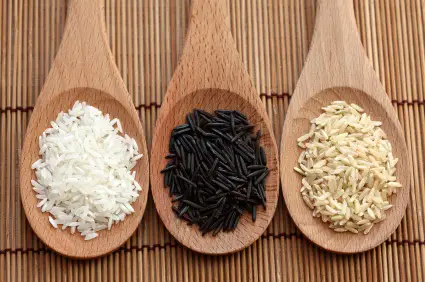
Why You Should Start Cooking With Black Rice


Easy Juice Recipes


~4 Easy Juice Recipes~


With juicing you can intake huge amounts that you wouldn’t otherwise, saving all that chewing and digestion.

Also, some veggies and fruits are difficult for some people to digest, so juicing is a great way to get their benefits- and it’s like instant cell food


Wild Flower

Eating for a Higher Vibration: MORE Foods to Expand Your Consciousness (Yummy ‘Wild Flower’ Smoothie Recipe Included!)

food 2

Everything in this world has its own unique vibration, depending on its content, quality and characteristics. This includes our bodies, and the food we eat. So today, let’s consider what we eat in terms of energy, not just nutrients.
Continuing on from my previous article Eating for a Higher Vibration: Foods to Expand your Consciousness, here are more high vibration, naturally nutrient-packed and delicious foods to enjoy for expanded awareness and a beautiful, functioning body.

1. Raw Local Honey

I absolutely LOVE raw honey and the energy it carries. Eating honey made from the flowers you are surrounded with each day can be super beneficial. Eating this local nectar is pushing you even further into nature, and the rhythm of life surrounding you.
Honey is mineral rich, full of B vitamins and is a sustainable source of sweetness. Even those with seasonal allergies can eventually cure their sensitivity by exposing themselves slowly to the honey made during the season they find troublesome.
I always feel a mild tingle on my tongue with the first taste of raw honey. It’s almost like I can feel it entering into my body to do its work, like the bees once did to create it. Honey is super healing and immune boosting, just make sure to buy raw, local and organic.

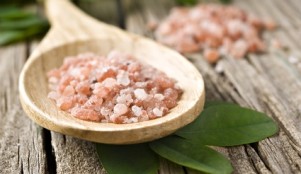
2. Pink Himalayan Crystal Salt

I absolutely LOVE salt and the minerals it has to nourish me with. It’s important, though, to buy the right kind. Real salt has color. The color varies based on the climate, environment and time it was collected. If your salt is white, it doesn’t truly contain the nourishing minerals we need to be healthy, even if it’s labeled as “sea salt.”
Pink Salt
Pink Himalayan salt is my absolute favorite, not only because its beautiful, rosy crystals are so alluring, but also because of its amazingly high mineral content. Iodine is especially significant here, as it helps us to healthily detoxify and move unwanted toxins out of our bodies. No fortification here, only pure, untouched, crystal nutrition. The shape and the beauty of this salt demonstrate its high vibration, and the energy it emits.

3. Maca Powder

Maca is a root that grows high up in the Andes Mountains of Peru. Packed with B vitamins, it’s especially helpful in providing a nice boost, energetically, emotionally and mentally. For those who are trying to drink less coffee, trying maca is a must; it’s all energy, no crash.
Maca is an adaptogenic herb, which means that it works with you, your body, and what’s going on in your life, right now. Maca KNOWS what we need. If we are feeling tired, it will give us an energetic boost, and if we are feeling stressed, it helps to calm us down. We don’t even have to know what we want it for. Maca is smart enough to figure it out on its own!
It’s also super hormonally balancing and helps with adrenal function, and can benefit those with adrenal fatigue. You can buy maca both roasted or raw, experiment to see which your body does best with, add it to smoothies or raw juice. Oh yeah, and it’s one of the TOP aphrodisiacs, and significantly nourishing to the sexual organs.

4. Sea Vegetables

sea vegetables
Sea vegetables, also known as seaweed, provide benefits similar to that of the salt I mentioned above. It’s amazingly high iodine levels help to cleanse and detoxify our system, while also nourishing us with vitamin K and magnesium, which is good for our bones and teeth.
The more successful our bodies are at eliminating toxicity, the more room there is to thrive. You can soak some dried sea veggies to make a nice Asian style seaweed salad, or throw some dried dulse or kelp flakes into your soup, salad or dinner. My favorite is dulse; it’s bright purple, and tastes salty and mild. Experiment!

5. Spirulina

Spirulina is a type of blue green algae that is nutrient dense, dark green, and protein rich. This whole food powder is really quite amazing. Spirulina has MORE protein than red meat, is antioxidant rich, and provides us with enough fuel to get through any day. Like seaweed, spirulina is also super detoxifying, and great at cleansing the body of heavy metals and toxins.
I’m always sure to take a spirulina tablet, or throw some powder into a juice after a visit to the dentist or any other super-chemy place. Whenever I feel I’ve been exposed to something undesirable, spirulina is sure to follow! It’s also great for immune building, and preventing us from getting sick, as well as lowering blood pressure.

6. Wheat Grass Juice

Wheat grass, baby, is where it’s at! It’s understood that drinking just one ounce of pure wheatgrass is the equivalent of eating 2.5 POUNDS of green vegetables. That’s how nutrient dense this stuff is!
wheat grass juice
It’s nice to have wheatgrass first thing in the morning, on an empty stomach. You can just FEEL the vibrations entering you. It’s almost as if you can feel the nutrients being sucked right into your cells. Wheatgrass makes you feel good, and it works wonders for the body. There are literally hundreds of health benefits wheat grass is responsible for, and it’s so easy to drink!
Despite its color and strong grassy scent, it’s smooth, creamy and sweet to the tongue, and does an amazing job settling the stomach. Wheat grass is actually super easy to grow at home, here’s how. And don’t worry if you can’t eat wheat, the grass contains absolutely no gluten, and is completely safe for those who are sensitive.

7. Edible Flowers

Flowers, like roses, lavender, violets, red clover, black locust, dandelion (and so many more) are beautifully medicinal, and oh so vibrational. These gorgeous blossoms have been grown and nurtured by the sweet rays of our sun. Anything carrying the sun’s energy, just like freshly ripened fruit, has something truly magical about it.
Enjoy these tasty flowers as a sweet snack, throw them in salads, steep them in tea or blend them in smoothies. Always be absolutely sure you know what a plant is, and which (if any) parts are edible before you eat it!!
Here’s a delicious high vibe green smoothie recipe to try next time some of these babes are in season.

Morgan’s ‘Wild Flower’ Sunshine Blend:

Ingredients:
- 1 apple
- 1/4 lemon – peeled
- 1 leaf of kale
- 1 scoop raw local honey
- handful of fresh violets, lavender, rose petals or any other sweet edible flowers (always be absolutely sure of what it is before you eat any wild plant!!!)
- ½ – 1 frozen banana
- a little water to blend
Directions: Throw in the blender and mix! It will turn out bright green and delicious.
Enjoy these beautiful gifts from mama earth. Enjoy merging with her nature, her vibrant energy, and dancing with the rhythm. See you next time!